적요
‘KM7’, a maize hybrid for grain production, was developed for the Southeast Asian seed market by the maize breeding team of the National Institute of Crop Science (NICS), Rural Development Administration (RDA) in 2020. The hybrid, ‘KM7’, was bred by crossing two inbred lines, CL32 and 14K23. After a one-year yield trial in Dong Trieu, Vietnam, country adaptability trials were performed three times in three different countries (Vietnam, Cambodia, and Indonesia) in both 2019 and 2020. The seed type was flint-like and suitable for both food and feed. ‘KM7’ adapted well to conditions in northern Vietnam, northwestern Cambodia, and Central Java in Indonesia. The silking date of ‘KM7’ in Vietnam was 62 d, which was 1 d earler than that of LCH9, a leading cultivar in Vietnam. ‘KM7’ is an early maturing, high-grain yielding F1 hybrid that is also resistant to downy mildew. ‘KM7’ produced a grain yield of 842, 831, and 950 kg/10a in Vietnam, Cambodia, and Indonesia, respectively. This demonstrated a higher yield than that of the leading cultivars in each respective country. ‘KM7’ produced 26% more grain in Vietnam, 28% more in Cambodia, and 56% more in Indonesia than the respective control varieties (Registration No. 10034).
서언
옥수수(
Zea mays L.)는 단위면적당 생산량이 높고 재배가 용이하며 밀, 벼와 함께 세계 3대 작물중 하나이다(
Varshney et al. 2012). 전 세계 옥수수 재배면적은 약 1억 9,700만 ha, 생산량은 약 12억 2천만 톤으로, 식량작물 중 가장 많은 생산량을 기록하고 있다(
FAOSTAT 2023). 주요 생산국인 미국과 중국은 각각 전 세계 생산량의 약 31% (3억 8,700만 톤)와 24% (2억 7,700만 톤)를 차지하고 있다(
FAOSTAT 2023).
OECD/FAO (2023)에 따르면, 2032년까지 세계 옥수수 소비는 연평균 1.2% 증가할 것으로 예측되며, 이 중 사료용 소비가 57%에서 약 59%로 증가할 것으로 전망된다.
세계 인구 증가, 재배면적 확대, 곡물 가격 상승 등의 영향으로 글로벌 종자 시장도 성장세를 보이고 있다. 최근 10년간 연평균 3.8%씩 성장하여 2020년에는 약 449억 달러, 2027년에는 547억 달러 규모에 이를 것으로 추정된다(
MAFRA 2023). 이 중 옥수수 종자 시장은 2023년 약 258억 달러로 평가되며, 2031년에는 약 414억 달러까지 성장할 것으로 전망된다.
이에 따라 글로벌 종자 기업들은 수익 창출과 우수한 유전자원 확보를 위해 적극적인 투자를 이어가고 있다. 반면, International Monetary Fund (IMF) 체제 이후 국내 종자 기업들의 외국계 기업 인수⋅합병이 잇따르며, 국내 종자 산업 발전이 제약을 받아왔다. 그러나 최근 종자의 전략적 중요성이 재조명되면서 정부 차원에서의 육성 정책이 확대되고 있다.
동남아시아 지역은 1990년대 이후 옥수수 생산이 지속적으로 증가하며 시장 규모가 확대되고 있어, 우리나라의 진출 가능성이 높은 지역으로 평가된다. 이 지역에서 경쟁력 있는 품종 개발을 위해서는 품질, 생산성, 재배 안정성이 우수하고 가격 경쟁력을 갖춘 품종이 요구된다. 또한, 해당 지역의 주요 병해충인 노균병, 깨씨무늬병, 조명나방과 더불어, 척박한 토양과 건기 가뭄 등 환경 스트레스에 대한 내성이 필수적이다(
Gerpacio & Pingali 2007,
Baek et al. 2015).
이에 농촌진흥청 국립식량과학원에서는 열대지역 옥수수 종자 시장 진출을 목표로 베트남, 캄보디아, 인도네시아 현지 육종포장에서 적응성이 우수한 조숙 다수성 신품종 ‘케이엠7 (KM7)’을 개발하였다. 본 논문에서는 ‘케이엠7’의 육성 경위, 품질 특성 및 수량성 등 주요 농업형질을 보고하고자 한다.
재료 및 방법
종자친(모본)인 ‘CL32’는 2001년에, 화분친(부본)인 ‘14K23’은 2002년에 수집한 자원을 일수일렬법으로 전개하여 계통으로 육성하였으며 ‘CL32’는 2011년에, ‘14K23’은 2014년에 계통명을 부여하였다. 2018년에 ‘CL32’와 ‘14K23’을 교배하여 F1 교잡계를 육성했으며 우량교잡계로 선발되어 2018년 상반기에 베트남 북부 Dong Trieu에서 베트남 재배종인 ‘LCH9’을 대조품종으로 하고 난괴법 3반복으로 생산력검정시험을 수행하였다. 그 후 국가별 적응성 시험은 2019년 하반기부터 2020년까지 2년간 베트남 Dong Trieu, 캄보디아 북서부의 옥수수 재배 지역인 Battambang, 인도네시아 중부 중자바 지역인 Yogyakarta 등 3개 지역에서 수행하였다. 대조품종은 각국의 재배종인 ‘LCH9’ (베트남), ‘CP888’ (캄보디아), ‘P21’ (인도네시아)을 사용하였다.
국가별 적응성 시험을 위한 파종은 베트남에서 2019년 9월 21일과 2020년 2월 10일에, 캄보디아에서는 2019년 12월 5일과 2020년 6월 23일에, 인도네시아에서는 2019년 12월 6일과 2020년 6월 21일에 파종하였다. 재식밀도는 5,700본/10a (70×25 cm)으로 하였고, 2립씩 파종하여 3~4엽기에 1개체만 남기고 솎았다. 시비량은 10 a당 N-P2O5-K2O=17.4-3.0-6.9 kg으로 시용하였으며, 그 중 질소(N) 8.7 kg, 인산(P2O5) 3.0 kg, 칼리(K2O) 6.9 kg은 기비로, 질소(N) 8.7 kg은 본엽 7~8엽기에 추비로, 퇴비는 10 a당 2톤을 시용하였다.
‘케이엠7’의 고유특성은 2020년에 베트남 Dong Trieu에서 국립종자원의 신품종 심사를 위한 작물별 특성 조사 기준(KSVS 2019)에 따라 조사하였다. 출사일수는 파종부터 출사까지 소요일수로 하였다. 간장은 지면에서 웅수 가장 아래 마디까지의 길이를 측정하였고, 착수고율은 지면으로부터 최상단 이삭이 달린 마디까지의 높이를 측정하여 간장에 대한 비율로 계산하였다. 도복, 깨씨무늬병(Southern leaf blight), 노균병(Downy mildew), 녹병(Rust)은 자연발생조건에서 조사하였다. 옥수수 종실의 조단백 함량은 국립식량과학원(NICS)에서 TruMac N analyzer (Leco, Michigan, USA)를 이용하여 듀마스법(Dumas method)으로 정량하였다. 전분 함량은 total starch assay kit (K-TSTA, Megazyme International Ireland Ltd. Wicklow, Ireland)를 이용하여 AOAC 방법으로 측정하였다. 기타 농업적 특성과 수량성은 농촌진흥청 농업과학기술연구조사분석기준(
RDA 2012)에 따라 조사하였다.
시험결과에 대한 통계 처리는 SAS 9.2 (SAS Institute inc., Cary, NC, USA)를 이용하여 Student’s t-test로 95% 유의수준에서 분석하였다.
결과 및 고찰
육성경위
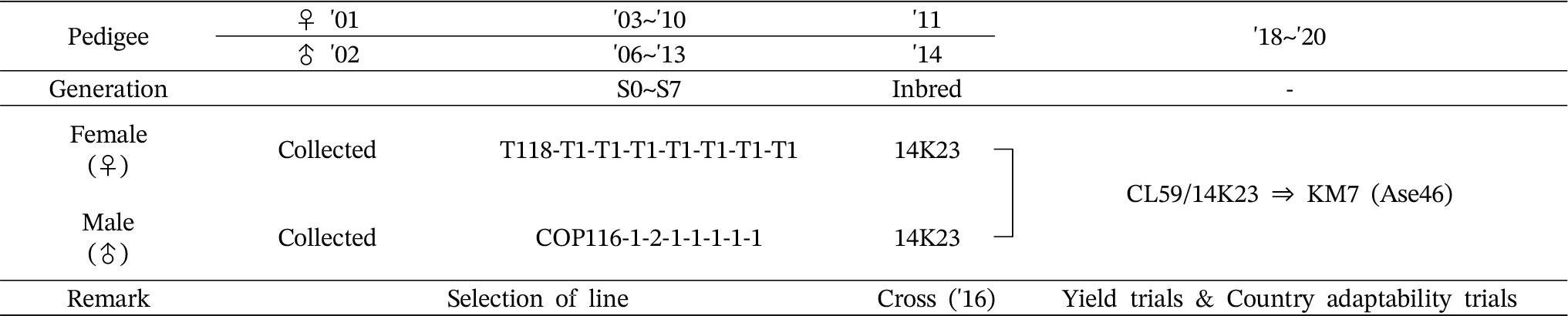
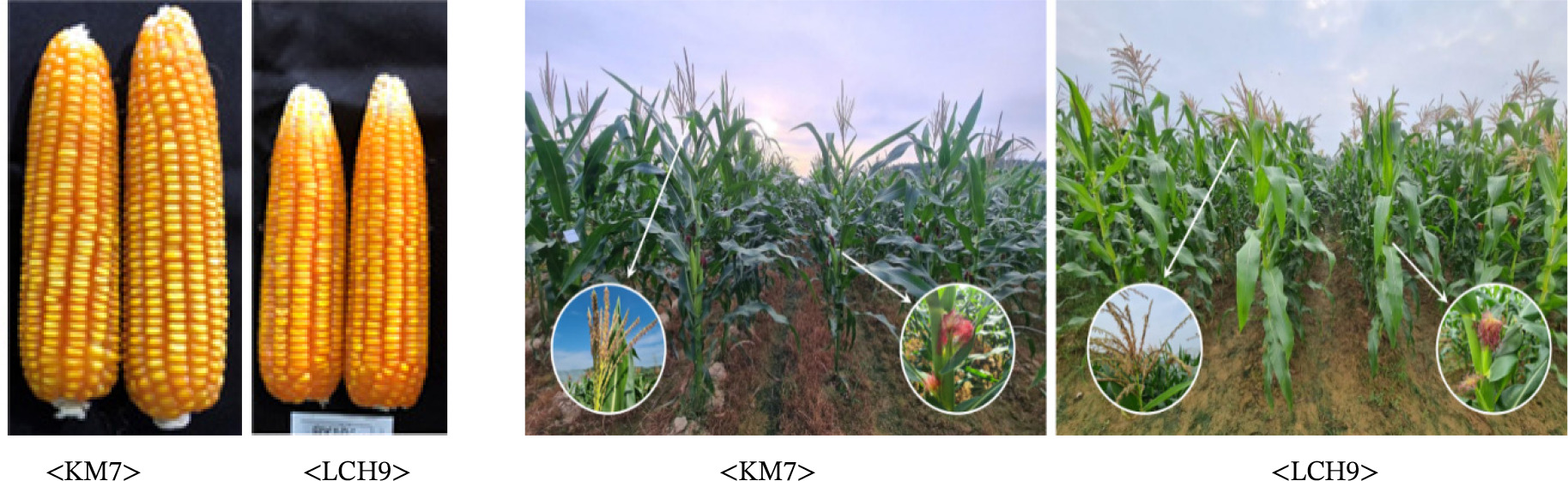
‘케이엠7’ (아세46호)은 열대지역 수출용 옥수수 품종으로 개발된 조숙 내도복 단교잡 1대 잡종이다. 2011년 베트남에서 육성한 자식계통 ‘CL32’를 종자친(모본)으로 하고, 2014년에 육성한 자식계통 ‘14K23’을 화분친(부본)으로 하여 교잡된 단교잡종이다. ‘케이엠7’는 2018년 베트남에서 생산력검정시험을 실시한 결과 여러 농업 형질이 우수하여 ‘아세46호’로 교잡계명을 부여하고, 2019년 전반기와 2019년 하반기, 2020년 전반기에 베트남, 캄보디아, 인도네시아 등 3개 국가에서 적응성시험을 실시하였다. 그 결과 도복에 강하고 조숙이면서 수량이 많은 열대지역 적응형으로 그 우수성이 인정되어 2020년 농작물직무육성신품종선정심의회에서 신품종으로 선정되었으며 품종명을 ‘케이엠7’로 명명하였다(
Figs. 1,
2).
베트남에서 ‘케이엠7’의 출사일수는 62일로 베트남 재배종인 ‘LCH9’보다 1일 빨랐다. 캄보디아에서 출사일수는 57일로 ‘CP888’과 같았으며, 인도네시아에서는 59일로 ‘P21’보다 1일 늦었으나 통계적으로 유의미한 차이를 나타내지는 않았다. ‘케이엠7’의 간장은 베트남, 캄보디아, 인도네시아에서 각각 191, 194, 288 cm로 각국의 재배종인 ‘LCH9’, ‘CP888’, ‘P21’보다 다소 작게 나타났다. 이삭길이는 ‘케이엠7’이 21.5, 22.9, 20.9 cm로 각국의 재배종인 ‘LCH9’, ‘CP888’, ‘P21’보다 유의미하게 길었으며, 착립장률은 95~98% 정도로 각국의 재배종과 큰 차이를 나타내지 않았다(
Table 2).
2019년과 2020년 ‘케이엠7’의 캄보디아와 인도네시아 적응성 시험포장에서 자연 발생한 깨씨무늬병(Southern leaf blight), 노균병(Downy mildew)의 피해 발생 정도를 검정한 결과는
Table 3에서 보는 바와 같다. 캄보디아에서 ‘케이엠7’의 깨씨무늬병 발병 등급은 3등급으로 4등급인 대조품종 ‘CP888’보다 낮았다. 열대지역에서 가장 문제시 되는 병해인 노균병에 대한 ‘케이엠7’의 발병등급은 캄보디아에서 0으로 ‘CP888’과 같았고, 인도네시아에서는 2로 ‘P21’ 1보다 높았다. 노균병은 동남아시아에서 옥수수 수량에 가장 큰 피해를 주는 병으로 최대 100%까지 수량이 감소할 수 있다(
Baek et al. 2015,
Gerpacio & Pingali 2007,
Sudjono 1988). 따라서 동남아시아 시장 진출을 취한 품종의 경우 노균병에 대한 강한 저항성을 지녀야한다. ‘케이엠7’는 노균병, 깨씨무늬병에 대하여 캄보디아와 인도네시아에서 현지 재배 품종들과 대등하게 강한 경향이었다. ‘케이엠7’의 도복 발생등급은 1로 베트남, 캄보디아, 인도네시아 현지 재배 품종과 같이 강하였다.
곡실용 옥수수는 식용⋅가공용으로 활용하기 위하여 종실의 품질특성(단백질과 전분 함량)을 분석한다. 캄보디아에서 생산한 ‘케이엠7’ 종실의 단백질 함량은 각각 9.6%, 8.2%로 ‘LCH9’ (9.3%), ‘CP888’ (9.0%)으로 베트남은 높았고 캄보디아는 낮았다(
Table 4). ‘케이엠7’의 베트남, 캄보디아에서 종실의 전분 함량은 각각 64.1, 73.0%로 ‘LCH9’ (67.2%)보다 낮았고 ‘CP888’ (67.4%)보다는 높았다(
Table 4). 이러한 결과는 옥수수 종실에서 전분 함량이 높아질수록 단백질 함량이 낮아지는 경향과 일치하였으며, 가뭄⋅고온 등 스트레스 환경에서 전분 축적이 감소해 상대적으로 단백질 비율이 높아진 것으로 판단된다(
Li et al. 2025).
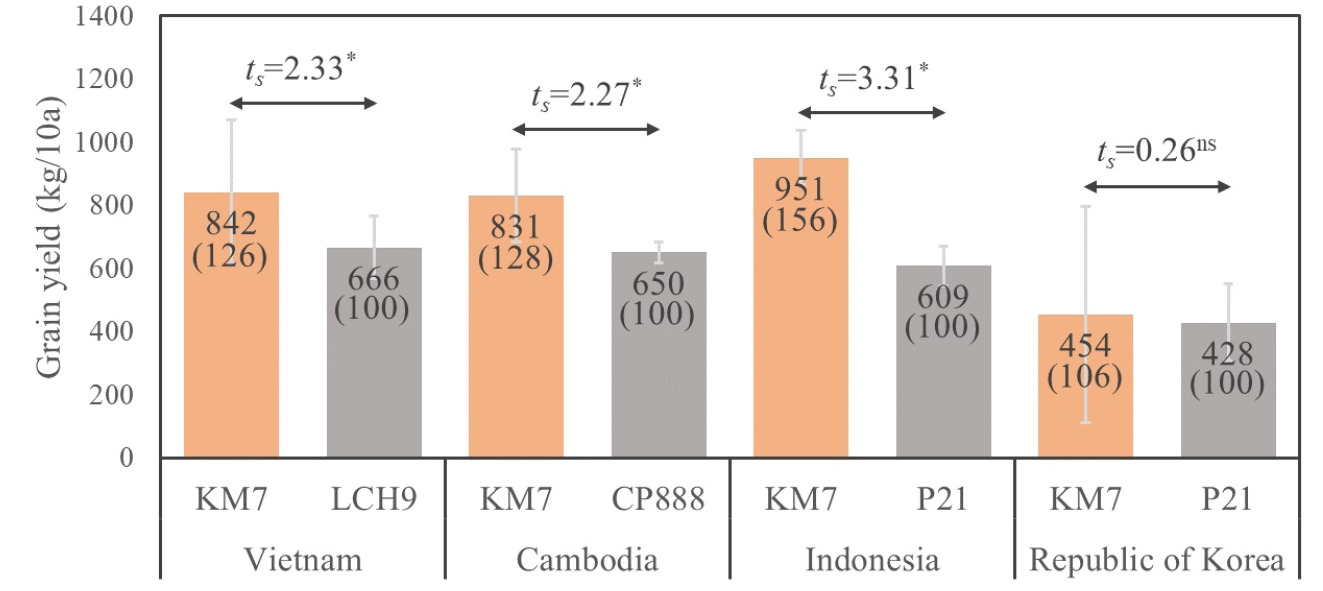
‘케이엠7’의 종실 수량은 2019~2020년 베트남, 캄보디아, 인도네시아에서 수행한 국가별 지역 적응성 시험에서 각각 842, 831, 951 kg/10a이었다(
Fig. 3). 베트남, 인도네시아, 캄보디아에서 각 나라의 대조품종인 ‘LCH9’, ‘CP888’과 ‘P21’보다 수량성이 각각 26, 28, 56% 유의미하게 더 많았다(
Fig. 3).
‘케이엠7’은 동남아시아 지역에 적응하는 품종으로 베트남의 북부지역, 캄보디아 서북부 지역, 인도네시아 중자바 지역 재배에 적합하다. 잡종강세를 이용한 단교잡종이므로 매년 갱신된 종자를 이용하여야 한다. 아시아 지역에서 노균병은 4종이 주종을 이루며, 태국에는 주로 필리핀형 등 3종, 인도네시아에는 자바형 등 2종이 분포하는 등 노균병의 종류가 많고 다양하다(
White 1999). ‘케이엠7’의 노균병 등 병해에 대하여 대체로 강한 편이나 본 품종의 적응 지역이 넓으므로 이에 대한 더욱 정밀한 검정이 요구된다. 배수불량 밭이나 과습지는 재배를 지양하는 것이 좋으며 품질 및 수량성 유지를 위해서는 적기 수확하는 것이 좋다. 또한 건기 재배 시에는 한발 피해를 받기 쉬우므로 관수가 용이한 포장에서 재배하는 것이 유리하다.
적요
‘케이엠7’은 열대 적응형 조숙이면서 다수성인 열대지역 수출용 옥수수 품종으로 2011년에 베트남에서 육성된 자식계통 ‘CL32’를 종자친(모본)으로 하고 2014년에 육성된 자식계통 ‘14K23’을 화분친(부본)으로 하여 교잡된 단교잡종이다. ‘케이엠7’은 2018년 베트남에서 생산력검정시험을 실시한 결과 여러 농업 형질이 우수하여 ‘아세46호’로 교잡계명을 부여하고 2019년 전반기와 2019년 하반기, 2020년 전반기에 베트남, 캄보디아, 인도네시아 등 3개 국가에서 국가별 적응성시험을 실시하였다. ‘케이엠7’은 베트남 북부와 캄보디아 서북부, 인도네시아 중자바 지역에서 적응력이 좋은 사료용 및 식가공용 품종으로 립색이 황오렌지인 Flint-like 타입이다. 출사일수는 베트남 대조 품종 ‘LCH9’보다 하루 늦었고 착수고율(52%)은 조금 낮았다. 깨씨무늬병과 노균병에 비교적 강한 편이고, 도복에도 강한 편이다. 종실수량은 베트남에서 842 kg/10a로 ‘LCH9’보다 26%, 캄보디아에서는 831 kg/10a로 ‘CP888’ 대비 28%, 인도네시아에서는 950 kg/10a로 ‘P21’ 대비 56% 증수하였다. 베트남과 캄보디아에서는 대조품종과 이삭의 착립률이 같았지만 ‘케이엠7’의 이삭길이가 각각 2 cm, 4 cm 길었고, 인도네시아에서는 이삭길이가 1.8 cm 길고 착립률이 5% 높아 각국 대조 품종보다 수량이 높았던 것으로 판단된다.
사사
본 논문은 농림축산식품부⋅해양수산부⋅농촌진흥청⋅산림청의 재원으로 농림식품기술기획평가원 Golden Seed 프로젝트 사업의 지원을 받아 연구되었음(213009-05-5-CG700, PJ012649012021).
Fig. 1Pedigree diagram of ‘KM7’.
Fig. 2Plant type and ear appearance of ‘KM7’ and ‘LCH9’.
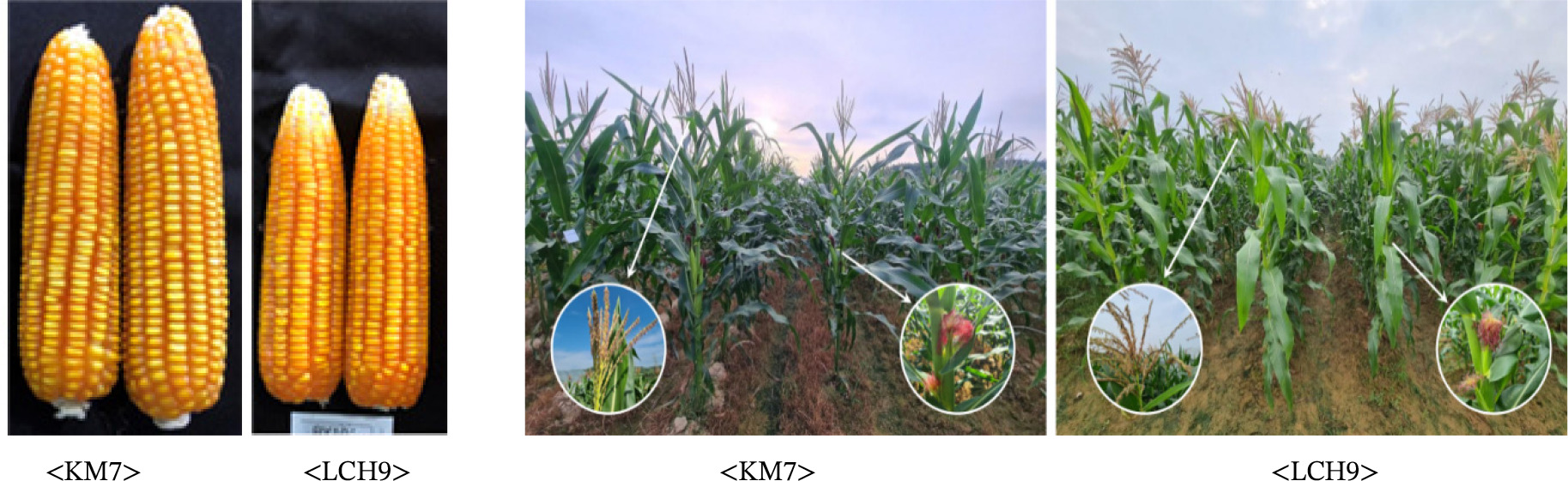
Fig. 3Comparison of grain yields between ‘KM7’ and the leading cultivar of the country where adaptability trials were performed (2019~2020, Vietnam, Cambodia, Indonesia and Republic of Korea). Error bar is standard deviation (n=6). Bracket, means grain yield index of ‘KM7’ compared to that of the leading cultivar. ‘ns’ and ‘*’ indicate not significant and significant differences at p≤0.05 by Student t-test, respectively.
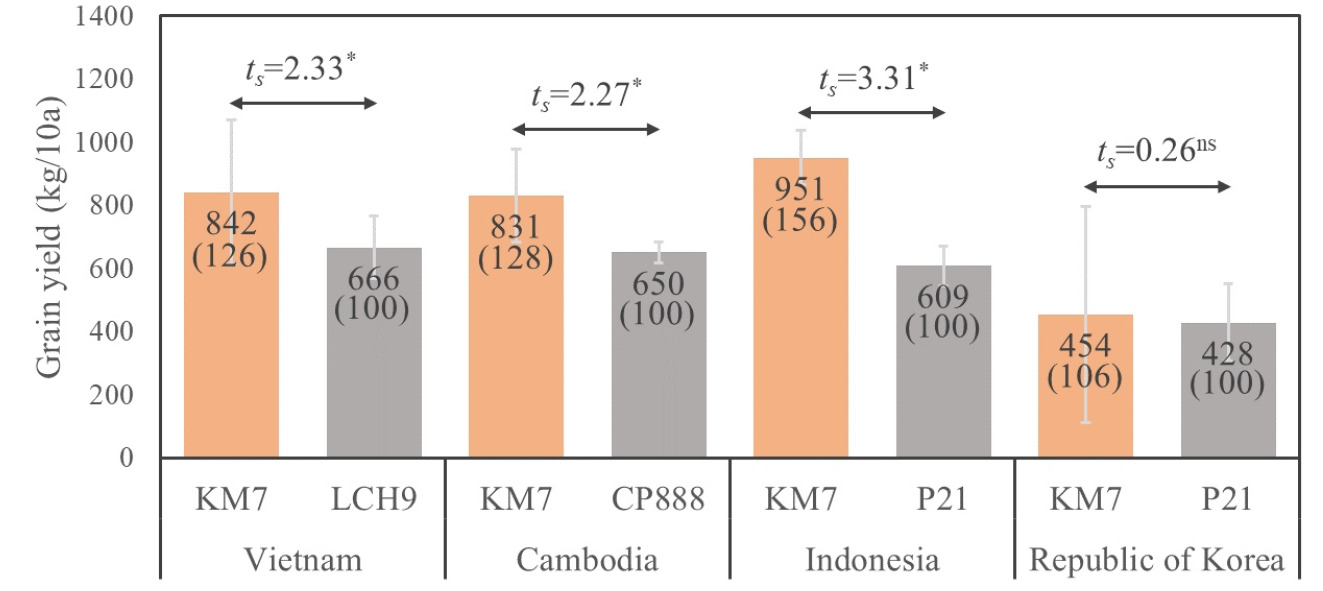
Table 1Inherent characteristics of ‘KM7’.
Table 1
|
Hybrid |
Color of silk |
Color of tassel |
Color of coat |
Type of grain |
|
KM7 |
Dark purple |
Purple |
Yellow orange |
Flint-like |
|
LCH9 |
Dark purple |
Purple |
Yellow orange |
Flint-like |
|
CP888 |
Light purple |
Purple |
Yellow orange |
Flint-like |
|
P21 |
Purple |
Purple |
Yellow |
Dent-like |
Table 2Agronomic characteristics of ‘KM7’ (2019~2020, Vietnam, Cambodia and Indonesia).
Table 2
|
Location |
Hybrid |
Day to
silking
(days) |
Plant
height
(cm) |
Ear height
ratio
(%) |
Ear characteristics |
Length
(cm) |
Width
(cm) |
Tip-fill
(%) |
|
Vietnam |
KM7 |
62 |
191 |
52 |
21.5 |
4.8 |
96 |
|
LCH9 |
61 |
201 |
53 |
19.3 |
4.8 |
96 |
|
tsz
|
0.50ns
|
1.44ns
|
0.45ns
|
5.49*
|
0.16ns
|
0.16ns
|
|
|
Cambodia |
KM7 |
57 |
194 |
53 |
22.9 |
4.8 |
96 |
|
CP888 |
57 |
200 |
55 |
18.9 |
4.6 |
96 |
|
ts |
0.15ns
|
0.56ns
|
1.11ns
|
8.01*
|
2.41*
|
0.22*
|
|
|
Indonesia |
KM7 |
59 |
288 |
45 |
20.9 |
5.3 |
98 |
|
P21 |
60 |
289 |
48 |
19.1 |
4.7 |
93 |
|
ts |
0.20ns
|
0.03ns
|
1.17ns
|
4.45*
|
5.40*
|
4.29*
|
Table 3Disease and lodging occurrence of ‘KM7’ in country adaptability trials (2019~2020, Vietnam, Cambodia and Indonesia).
Table 3
|
Hybrid |
Vietnam |
|
Cambodia |
|
Indonesia |
|
|
|
|
Lodgingz
|
Southern
leaf blighty
|
Downy
mildewx
|
Lodging |
Downy
mildew |
Lodging |
|
KM7 |
1 |
|
3 |
0 |
2 |
|
2 |
1 |
|
LCH9 |
1 |
|
- |
- |
- |
|
- |
- |
|
CP888 |
- |
|
4 |
0 |
1 |
|
- |
- |
|
P21 |
- |
|
- |
- |
- |
|
1 |
1 |
Table 4Starch and protein contents in grain of ‘KM7’ in country adaptability trials (2020, Vietnam, Cambodia and Indonesia).
Table 4
|
Hybrid |
Vietnam |
|
Cambodia |
|
|
Protein
(%) |
Starch
(%) |
Protein
(%) |
Starch
(%) |
|
KM7 |
9.6 |
64.1 |
|
8.2 |
73.0 |
|
LCH9 |
9.3 |
67.2 |
|
- |
- |
|
CP888 |
- |
- |
|
9.0 |
67.4 |
References
- 1. Bae HH, Ha JY, Go YS, Shin SH, Son JH, Lee GB, Choi YC, Jung HC, Shin SH, Kim KY, Jung TW. 2024. KM5: A high grain yield hybrid corn for exeport to tropical regions. Korean J Breed Sci 56: 131-137.
- 2. Baek SB, Son BY, Kim JT, Lee JS, Bae HH, Kim SG, Lee SK, Lee BM, Seo MJ, Park CH, Lee JH, Park BY. 2015. Maize production and constraints to increasing productivity in Indonesia. J Korean Soc Int Agric 27: 609-613.
- 3. Baek SB, Son BY, Kim JT, Lee JS, Bae HH, Shin SH, Song HS, Kim SG, Kim BJ, Lee SK, Go YS, Kim SL. 2019. Tropical single cross corn hybrid 'KM1' with early maturity, lodging tolerance, and high yield. Korean J Breed Sci 51: 99-104.
- 4. FAOSTAT. 2023. Food and agricultural organization of the united nations. FAOSTAT on-line database. Retrieved from http://www.fao.org/faostat/en/#data/QC
- 5. Gerpacio RV, Pingali PL. 2007. Tropical and subtropical Maize in Asia: Production systems, constraints, and research priorities. CIMMYT, Mexico, DF.
- 6. Korea Seed Variety Service (KSVS), MAFRA. 2019. KSVS on-line database. http://www.seed.go.kr/seed/270/subview.do. Accessed February 28, 2019
- 7. Li D, Hao A, Shao W, Zhang W, Jiao F, Zhang H, Dong X, Zhan Y, Liu X, Mu C, Ding Z, Xue D, Chen J, Wang M. 2025. Maize kernel nutritional quality-an old challenge for modern breeders. Planta 261: 43
- 8. Ministry of Agriculture.Food.Rural Affairs (MAFRA).2023. 3rd seed industry development plan (2023~2027).
- 9. OECD/FAO.2023. OECD-FAO agricultural outlook 2023-2032: Grain. OECD, United States.
- 10. Rural development administration (RDA).2012. Agricultural science technology standards for investigation of research. pp. 366-385.
- 11. Son BY, Baek SB, Kim JT, Lee JS, Bae HH, Go YS, Kim SL. 2019. Single cross maize hybrid 'Hwangdaok' for high grain yield. Korean J Breed Sci 51: 105-109.
- 12. Son BY, Baek SB, Kim JT, Lee JS, Bae HH, Park CH, Seo MJ, Lee JH. 2017. Single cross maize hybrid for grain, 'Sinhwangok'. Korean J Breed Sci 49: 109-112.
- 13. Son BY, Baek SB, Kim JT, Lee JS, Bae HH. 2018. Single cross maize hybrid for silage with lodging tolerance and high yield, 'Dacheongok'. Korean J Breed Sci 50: 145-149.
- 14. Sudjono MS. In: Subandi , Syam M, Widjono A. 1988. Penyakit jagung dan pengendaliannya. (Eds). Jagung. Puslitbangtan Bogor.
- 15. Varshney RK, Ribaut J-M, Buckler ES, Tuberosa R, Rafalski A, Langridgem P. 2012. Can genomicsboost productivity of orphan crops. Nat Biotechnol 30: 1172-1176.
- 16. White DG. 1999. Compendium of corn diseases. The American Phytopathological Society. pp. 26.